
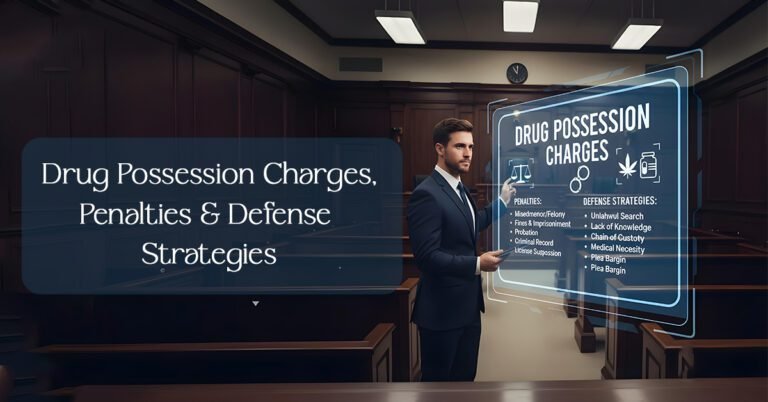
Drug charges can hit fast and feel scary. One moment everything is normal. The next moment there are handcuffs and court dates. Knowing the law helps people stay calm and make smart choices. This guide explains what drug charges mean, what penalties may happen, and how defenses work. It keeps things simple and clear. Anyone dealing with drug possession and drug distribution charges in Bergen County should learn the basics early to protect their future.
What Is Drug Possession?
Drug possession means a controlled substance is found on someone or near them. It can be in a pocket, bag, or car. Even a tiny amount can lead to charges.
There are two main types:
- Actual possession means drugs are found directly on a person
- Constructive possession means drugs are nearby and the person is seen as having control
For example, drugs in a shared car can still lead to charges if control is assumed.
Types of Drug Charges
Simple Possession
This usually means a small amount meant for personal use. It is the most common charge. Still, it can bring serious trouble.
Possession With Intent to Distribute
This means police believe the drugs were meant for sale. Signs include:
- Many small bags
- A scale
- Large cash amounts
A skilled Illegal drug possession and drug distribution lawyer looks at the evidence and challenges weak points.
Distribution
This charge means selling, sharing, or transporting drugs. Penalties are much higher, especially near schools or parks.
Drug Possession Penalties
Penalties depend on the drug type, amount, and past record. Some people face jail. Others get probation.
Common penalties include:
- Jail time
- Fines
- Probation
- Drug education programs
- License suspension
Here is a simple table.
| Simple possession | Up to 6 months | Medium | Probation |
| Intent to distribute | Several years | High | Felony record |
| Distribution near school | Longer prison | Very high | Mandatory time |
Knowing the drug possession penalties helps people understand what is at stake.
Drug Arrest Legal Consequences
A conviction does more than bring jail. It can affect daily life for years.
Possible long term effects:
- Trouble finding a job
- Problems renting a home
- Loss of school aid
- Immigration risks
- License issues
These drug arrest legal consequences often hurt more than the court penalty.
Defense Strategies That Help
Every case is different. Strong defenses focus on facts and rights.
Illegal Search
Police must follow rules. If they search without proper cause, evidence may be thrown out.
Lack of Control
Being near drugs is not the same as owning them. Shared spaces create doubt.
Lab Testing Issues
The substance must be tested correctly. Mistakes in handling can weaken the case.
Diversion Programs
First time offenders may avoid a conviction. Programs like conditional discharge focus on treatment, not punishment.
Plea Deals
Sometimes charges can be reduced. This lowers penalties and protects the future.
Intent to Distribute: How It Is Decided
Prosecutors look for clues such as:
- Large quantities
- Multiple packages
- Text messages about sales
- Cash bundles
Defense teams offer other explanations. Personal use or shared living spaces can change the story.
Second Chances Through Programs
New Jersey offers options for some people.
Conditional Discharge
- No conviction if completed
- Requires supervision and testing
Drug Court
- Focus on treatment
- Long term support
- Regular check ins with the court
These programs help people move forward without a permanent record.
Smart Tips After an Arrest
- Stay calm and polite
- Do not answer questions without a lawyer
- Do not agree to searches without a warrant
- Show up to every court date
- Keep medical prescriptions handy
Quick action can make a big difference.
Why Early Legal Help Matters?
Cases are strongest at the start. Evidence can be challenged early. Witness memories are fresh. Legal motions can remove weak proof.
Waiting too long can limit options.
Take the Next Step Toward Protection
Facing drug possession and drug distribution charges in Bergen County is serious, but there are real defense options. The right strategy can reduce penalties or even lead to dismissal. David Fronefield, a former prosecutor and experienced trial attorney, understands how the system works and builds strong defenses based on evidence and rights. A free consultation is the first step toward protecting your record, your freedom, and your future.
FAQs
Can a small amount still lead to jail
Yes. Even small amounts can bring jail, but first time offenders may get probation.
What is intent to distribute
It means police think the drugs were meant for sale, not personal use.
Can charges be dropped
Yes. If rights were violated or evidence is weak, cases can be dismissed.
Will a drug charge stay forever
Not always. Some cases qualify for expungement later.
Do first time offenders go to jail
Many do not. Diversion programs are often available.
