
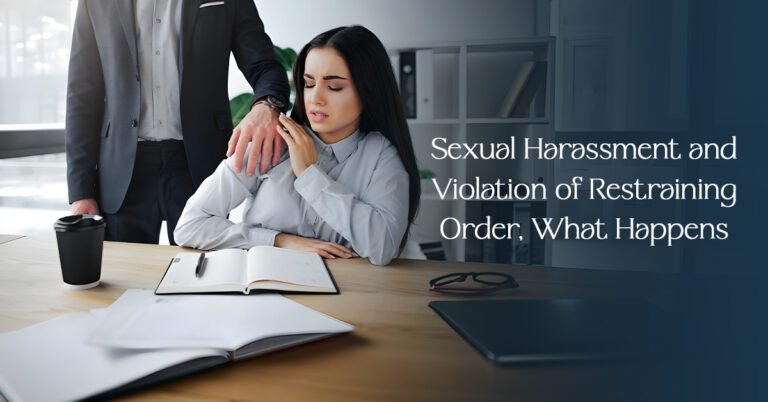
Legal trouble can hit fast and feel scary. One complaint can change daily life overnight. Court orders may appear before someone even understands the situation. That is why knowing the process matters. A sexual harassment charges defense attorney often becomes important when rights need protection and facts must be explained clearly in court.
When Things Get Real, Really Fast
Harassment claims and court orders move quickly. Judges focus on safety first. So temporary rules may start right away.
Here is what usually happens:
- A complaint gets filed
- A temporary order is issued
- Contact becomes illegal
- A hearing date is scheduled
Even one message after that can cause big trouble.
What Is a Restraining Order Anyway?
A restraining order is a legal rule. It tells one person to stay away from another. No calls. No texts. No showing up.
In family or partner cases, courts often call it restraining order domestic violence. It does not always mean violence happened. It means the court wants space between two people while the case moves forward.
Temporary vs Final Orders Made Simple
Temporary orders come first. They happen fast and often without both people speaking.
Final orders happen after a hearing. A judge listens to both sides before deciding.
| Temporary | Quick safety rule | Until the hearing |
| Final | Judge makes a full decision | Long term or permanent |
Breaking either one can lead to arrest.
What Counts as Breaking the Order
Many people think only big actions matter. That is not true. Small contact can count.
A violation of restraining order may include:
- Sending a text or emoji
- Liking a social media post
- Asking a friend to pass a message
- Showing up at the same place on purpose
Courts expect zero contact. Even friendly talk can be a problem.
Sexual Harassment Claims and Court Orders
Sometimes harassment claims and restraining orders come together. This happens in schools, workplaces, or between people who know each other.
Evidence may include:
- Screenshots of messages
- Emails
- Witness statements
- Video clips
A judge can issue a temporary order even before a full trial.
Why a Violation Is a Big Deal
Breaking the order is not just a mistake. It becomes a new criminal charge.
Possible results:
- Arrest
- Court dates
- Fines
- Jail time in serious cases
That means two cases may run at the same time. One for harassment. One for the violation.
How the Court Process Works Step by Step
Understanding the timeline helps reduce panic.
- Complaint gets filed
- Temporary order starts
- A hearing date is set
- Any contact may trigger a violation charge
- Judge decides on a final order
Each step matters. Missing court can make things worse.
Defense Options People May Have
Every case is different. Courts look at facts and evidence.
Common defenses include:
- The person did not know about the order
- The contact never happened
- Someone else used the phone or account
- The message was sent before the order started
A strong protective order violation defense focuses on what the order actually said and whether the rules were truly broken.
How Judges Decide Final Orders
At the hearing, the judge looks at:
- Both stories
- Past history
- Any proof of contact
- Risk of future problems
The decision does not require the same level of proof as a criminal trial. That surprises many people.
Long Term Effects People Should Know
A final order can last years. A violation charge can create a permanent record.
This may impact:
- Jobs
- Housing
- Custody cases
- Professional licenses
That is why early legal help matters.
Take the Next Step to Protect Your Rights
Legal cases involving harassment and court orders move quickly and carry serious risks. One wrong move can add new charges. Speaking with a sexual harassment charges defense attorney helps people understand the rules, build a defense, and protect their future. David Fronefield provides experienced legal support focused on strong defense strategies and fair results for those facing complex allegations.
FAQs
Can someone reply if the other person texts first?
No. Any reply can count as a violation. Silence is the safest choice.
Is accidental contact always a crime?
Not always. But it must be proven that the contact was truly accidental and stopped immediately.
Can the order be removed later?
Yes. A judge can dismiss it after a full hearing if the evidence does not support it.
Does a violation mean jail every time?
Not always. Penalties depend on the facts and past history.
Can both people get restraining orders?
Yes. Courts sometimes issue mutual orders if both sides show risk.
